
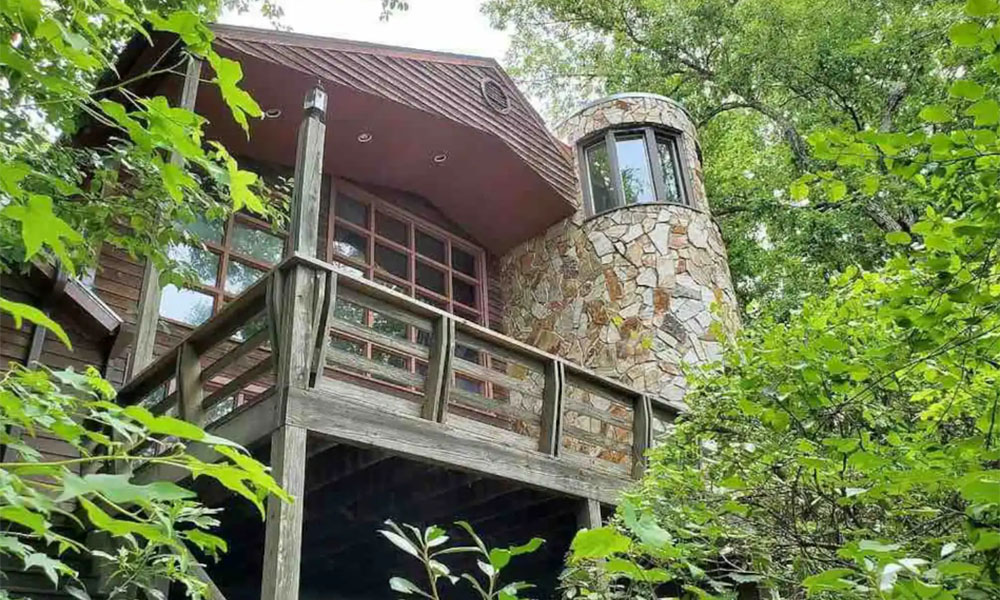
The Haltiwanger Retreat Center, located in Uwharrie National Forrest
The Haltiwanger Retreat Center is an excellent location for church retreats, family reunions, fishing groups, ATV groups, and corporate retreats.
Escape the Ordinary: Immersing Yourself in Nature for Transformative Retreats
In today’s fast-paced world, the yearning for connection, rejuvenation, and a deeper sense of purpose transcends age and background. Retreats offer a much-needed pause, a chance to step away from the daily grind and reconnect with ourselves, each other, and the natural world. But have you considered the unique benefits of venturing beyond conference rooms and into the heart of a verdant forest for your next retreat?
This article explores the transformative power of nature and delves into the compelling advantages of hosting church retreats, corporate retreats, and youth retreats in the woods. Immerse yourself in the invigorating embrace of nature and discover how a retreat in the woods can foster spiritual growth, team building, and personal development for participants of all ages.
The Allure of the Woods: A Natural Sanctuary for Transformation
The woods, with their rustling leaves, earthy scents, and captivating landscapes, offer a sanctuary for the soul. Studies have shown that spending time in nature reduces stress, improves mood, and enhances creativity. Here’s how the natural world contributes to a transformative retreat experience:
- Stress Reduction: The sights and sounds of the forest have a calming effect. Immersing yourself in nature lowers cortisol levels, the stress hormone, promoting relaxation and emotional well-being.
- Enhanced Focus: Nature fosters mindfulness and a sense of presence in the moment. Retreat participants can disconnect from digital distractions and reconnect with their inner selves, leading to clearer thinking and deeper reflection.
- Strengthened Bonds: Shared experiences amidst the beauty of nature foster a sense of community and connection. Participants in church retreats can strengthen their faith, while corporate and youth retreats can benefit from team-building exercises and collaborative activities outdoors.
- Renewed Energy: The fresh air and invigorating atmosphere of the woods can revitalize the spirit. Participants return from their retreat feeling refreshed and rejuvenated, ready to tackle challenges back in their daily lives.
- Spiritual Connection: The peacefulness of nature can inspire introspection and spiritual growth. Church retreats can utilize nature’s beauty to enhance worship and reflection, while individuals of all backgrounds can find a sense of connection to something larger than themselves.
Unveiling the Advantages: Why Choose a Retreat in the Woods?
Beyond the restorative power of nature, consider these compelling reasons to choose a retreat in the woods:
Church Retreats:
- Deepen Faith Through Nature: Use the natural world as a living metaphor for spiritual concepts. Nature walks, meditations under towering trees, and campfire worship services can create a unique and impactful spiritual experience.
- Strengthen Community Bonds: Shared meals, campfires, and group activities amidst nature foster a sense of camaraderie and belonging among church members.
- Reconnect with Creation: The woods provide a perfect setting to appreciate the wonder of God’s creation and gain a renewed sense of awe and gratitude.
Corporate Retreats:
- Boost Team Building: Collaborative tasks and problem-solving exercises conducted in nature can enhance communication, trust, and teamwork within your organization.
- Spark Creativity: The beauty of the natural world can inspire innovative thinking and problem-solving, leading to new ideas and strategies for your business.
- Improve Employee Engagement: A retreat in the woods offers a refreshing change of scenery and a break from the usual office routine, leading to increased employee morale and engagement.
- Fostering Sustainability: Choose a retreat center with eco-friendly practices and use the setting to discuss environmental responsibility within your company.
Youth Retreats:
- Develop Environmental Awareness: Experiencing nature firsthand fosters a love for the environment and inspires young people to become responsible stewards of the Earth.
- Leadership Development: Retreats in the woods can provide opportunities for fostering leadership skills through group activities and challenges.
- Social and Emotional Learning: Nature offers a safe space for social interaction, teambuilding, and developing a sense of self-confidence in young people.
- Unplug and Recharge: The woods provide a natural detox from technology, allowing young people to reconnect with themselves and explore their interests in a distraction-free environment.
Planning Your Retreat in the Woods: Practical Tips for Success
To ensure a successful retreat in the woods, consider these practical tips:
- Choose the Perfect Location: Select a retreat center with appropriate facilities and amenities based on your retreat’s goals and participant needs. Consider accommodations, dining options, and access to nature trails.
- Plan Activities: While nature provides a beautiful backdrop, plan engaging activities that align with your retreat’s purpose. This may include worship services, team-building games, campfire discussions, or educational workshops focused on nature exploration.
- Prepare for the Elements: Be prepared for varying weather conditions with appropriate clothing and gear. Pack insect repellent, sunscreen, and rain gear as needed.
- Leave No Trace: Respect the environment by following Leave No Trace principles. Pack out all trash, minimize your impact on the natural habitat, and avoid disturbing wildlife.
- Embrace Flexibility: Nature can be unpredictable. Be prepared to adjust your plans based on weather conditions or unexpected situations.
- Focus on Safety: Ensure the safety of all participants by having a first-aid kit readily available and briefing everyone on safety precautions before engaging in activities.
Beyond the Trees: Additional Considerations for a Memorable Retreat
While the woods provide a captivating setting, consider these additional elements to make your retreat truly memorable:
- Incorporate Local Flavors: Support local businesses by sourcing food from nearby farms or restaurants for your retreat meals.
- Embrace Local Culture: If your retreat location has unique cultural or historical significance, incorporate these aspects into your agenda through guided tours or visits to local landmarks.
- Technology Detox: Consider incorporating periods of limited technology use to allow participants to fully connect with nature and with each other.
- Capture Memories: Take photos and videos to document your retreat experience. These can be used later to share memories and inspire future retreats.
By venturing beyond the ordinary and choosing a retreat in the woods, you open doors to a transformative experience. The calming influence of nature, combined with engaging activities and meaningful connections, fosters spiritual growth, strengthens bonds, and sparks personal development for all participants. So, unplug from the daily grind, breathe in the fresh air, and reconnect with nature for a truly unforgettable retreat experience.
Unveiling the Uwharrie National Forest: A Paradise for Outdoor Enthusiasts in North Carolina
Nestled in the heart of North Carolina, the Uwharrie National Forest beckons adventure seekers and nature lovers with its rolling hills, scenic rivers, and lush woodlands. Spanning over 50,000 acres across Montgomery, Davidson, and Randolph counties, Uwharrie boasts the beauty of the Uwharrie Mountains and the refreshing presence of the Yadkin and Pee Dee Rivers. Whether you’re an avid hiker, a cycling fanatic, or simply seeking a tranquil escape, the Uwharrie National Forest has something for everyone.
Immerse Yourself in Outdoor Activities
The Uwharrie National Forest offers a diverse playground for outdoor recreation. Lace up your hiking boots and explore over 60 miles of trails, ranging from gentle family-friendly paths to challenging treks with breathtaking vistas. The Uwharrie Trail, a multi-day adventure traversing the heart of the forest, is a must-do for seasoned hikers.
For mountain biking enthusiasts, the Uwharrie boasts a network of trails catering to all skill levels. The Wood Run Mountain Bike Trail system offers a thrilling experience, while the Badin Lake Recreation Area trails provide a scenic ride amidst the beauty of the lake.
Unwind and reconnect with nature at one of the Uwharrie’s campgrounds. Pitch your tent under a canopy of stars or relax in a comfortable cabin. Don’t forget to explore the forest’s waterways! Kayaking, canoeing, and fishing are fantastic options for a refreshing day on the Yadkin or Pee Dee Rivers.
Horseback riding enthusiasts will find joy in the Uwharrie’s two designated horse camps and over 40 miles of designated horse trails. Take a guided tour or explore the forest at your own pace on horseback, surrounded by the tranquility of nature.
For those seeking a unique adventure, the Uwharrie National Forest offers challenging off-highway vehicle (OHV) trails. With varied topography and difficulty levels, Badin Lake Recreation Area’s OHV trails are considered some of the best in the Southeast.
Unveiling the History and Wildlife
The Uwharrie National Forest is steeped in history. Learn about the region’s rich past by visiting historical sites or exploring the remnants of the Gold Rush era.
Keep your eyes peeled for the diverse wildlife that calls the Uwharrie home. Deer, wild turkeys, and numerous bird species can be spotted throughout the forest. Be sure to follow safe wildlife viewing practices to ensure a memorable and respectful experience.
Plan Your Uwharrie Adventure
The Uwharrie National Forest is easily accessible from Charlotte and other nearby cities. The Forest Service provides a wealth of information on their website, including maps, trail descriptions, and camping regulations https://www.fs.usda.gov/goto/nfsnc/uwharrieplan.
Remember to pack essentials like sturdy shoes, insect repellent, and sunscreen. Be sure to check the weather conditions before you head out and always practice responsible outdoor recreation to preserve the beauty of the Uwharrie National Forest for generations to come.
With its abundance of outdoor activities, stunning landscapes, and rich history, the Uwharrie National Forest guarantees an unforgettable adventure for every visitor. So, pack your bags, lace up your boots, and discover your own piece of paradise in the heart of North Carolina!
Unveiling the Hiking Trails of Uwharrie National Forest: A Trekker’s Paradise in North Carolina
Calling all hiking enthusiasts! Nestled in the foothills of North Carolina, the Uwharrie National Forest unveils a tapestry of vibrant ecosystems, beckoning trekkers with a diverse network of trails catering to all skill levels. Spanning over 50,000 acres, Uwharrie boasts the rugged beauty of the Uwharrie Mountains, offering a refuge for those seeking adventure amidst rolling hills, sparkling streams, and lush woodlands.
Whether you’re a seasoned hiker conquering challenging ridgelines or a family seeking a gentle nature walk, the Uwharrie National Forest promises an unforgettable experience. This comprehensive guide delves into the world of Uwharrie’s hiking trails, providing insights into the best routes, breathtaking vistas, and valuable tips to plan your perfect trek.
A Spectrum of Trails for Every Trekker
The Uwharrie National Forest boasts over 60 miles of designated hiking trails, ensuring a pathway for every kind of hiker. Here’s a breakdown of the diverse trail offerings:
- Day Hikes: Uwharrie caters to day hikers with numerous shorter trails perfect for exploring the forest’s beauty. The Badin Lake Trail, a moderate 4.4-mile loop, offers scenic lake views and a chance to spot diverse birdlife. Denson’s Creek Trail, an easy-to-moderate 2.2-mile loop, is ideal for families with younger children, providing a gentle introduction to the forest’s wonders.
- Multi-Day Adventures: For experienced hikers seeking an immersive experience, the Uwharrie Trail beckons. This legendary 50-mile trail traverses the heart of the forest, offering challenging climbs, rewarding vistas, and a true wilderness escape. Hikers can choose to complete the entire trail or conquer sections over several days, camping at designated backcountry campsites along the way.
- Waterfall Wonders: Unearth hidden waterfalls by embarking on trails like the Moccasin Creek Trail or the Moccasin Point Trail. These moderate hikes lead you to cascading waterfalls, creating a refreshing rest stop and a perfect spot for a picnic lunch.
- Ridge Runner’s Paradise: Challenge yourself with Uwharrie’s ridgeline trails. The Birkhead Mountain Trail, a moderate 11.6-mile loop, offers stunning panoramic views from the exposed ridges. The Uwharrie and Dutchman’s Creek Loop, a challenging 17-mile adventure, rewards hikers with breathtaking vistas and a true sense of accomplishment.
Unveiling the Gems of Uwharrie’s Hiking Trails
Beyond the diverse trail categories, Uwharrie National Forest boasts specific hikes that stand out for their unique features:
- Uwharrie National Recreation Trail: This iconic 47-mile trail, designated as a National Recreation Trail, is a must-do for serious hikers. The trail is segmented, allowing for day hikes or multi-day adventures. Hikers can expect scenic overlooks, historical remnants, and diverse ecosystems along the way.
- Jumping Off Rock Trail: Ascend to breathtaking vistas on the Jumping Off Rock Trail, a moderate 4.6-mile trek. This aptly named trail leads to a dramatic rock formation offering panoramic views of the surrounding landscape.
- Coolers Knob Mountain Trail: Enjoy a family-friendly adventure on the Coolers Knob Mountain Trail, an easy 1.2-mile loop. This short hike leads to the summit of Coolers Knob, offering scenic views and a perfect spot for a picnic.
- Birkhead Mountain Wilderness Trails: Explore the designated wilderness area within Uwharrie National Forest through the Birkhead Mountain Trail system. These moderate trails offer a secluded wilderness experience and a chance to encounter diverse wildlife.
Planning Your Uwharrie Hiking Adventure
To ensure a safe and enjoyable hiking experience in Uwharrie National Forest, consider these essential tips:
- Trail Selection: Choose a trail that matches your skill level and desired hiking distance.
- Gear Up: Pack appropriate footwear, weather-resistant clothing, insect repellent, sunscreen, and plenty of water.
- Leave No Trace: Practice responsible outdoor recreation by adhering to Leave No Trace principles. Pack out all trash, minimize campfire impact, and respect wildlife.
- Be Weather Wise: Check the weather forecast before heading out and dress accordingly. Be prepared for sudden changes in weather conditions.
- Download Maps: Download trail maps and consider using a GPS device for navigation, especially on longer hikes.
- Inform a Friend: Let someone know your hiking plans and estimated return time.
Uwharrie National Forest and Beyond: Frequently Asked Questions About Hiking
The Uwharrie National Forest, with its diverse landscapes and scenic trails, beckons hiking enthusiasts of all skill levels. But before you lace up your boots and hit the trail, here are some commonly asked questions to ensure a safe and enjoyable adventure:
General Questions:
- What type of terrain can I expect in Uwharrie National Forest?
Uwharrie boasts rolling hills, hardwood forests, and some rocky sections. Difficulty levels vary, with trails catering to beginners, experienced hikers, and even backpackers.
- What are the best times of year to hike in Uwharrie?
Spring and fall offer pleasant temperatures and beautiful wildflowers. Winters can be mild but bring the possibility of ice on some trails. Summers can be hot and humid, so plan accordingly with early morning or late afternoon hikes.
- Do I need a permit to hike in Uwharrie National Forest?
No permit is required for day hikes in Uwharrie National Forest. However, some campgrounds within the forest may require a reservation or fee.
- Are there any fees associated with hiking in Uwharrie?
There are no entrance fees for the National Forest itself. However, some parking areas near trailheads might have a small daily fee.
Trail-Specific Questions:
- Which trails are best for beginners?
Falls Dam Trail, Uwharrie Horse Trail (easy sections), and Home Trail offer scenic routes with gentle inclines.
- What are some challenging trails for experienced hikers?
The Uwharrie National Recreation Trail and North Point Trail offer challenging climbs, technical terrain, and breathtaking vistas.
- Are dogs allowed on the trails?
Yes, dogs are allowed on most trails in Uwharrie National Forest, but they must be leashed at all times. Always check specific trail regulations for any restrictions.
- Are there any guided hikes available?
While there aren’t currently official ranger-led hikes offered within the National Forest, local hiking clubs and organizations sometimes organize guided hikes.
Preparation and Safety:
- What should I wear for hiking in Uwharrie?
Dress in layers appropriate for the weather. Sturdy hiking boots are essential, and long pants are recommended for sun protection and potential brush encounters.
- What essentials should I pack for my hike?
Always carry a backpack with plenty of water, snacks, sunscreen, insect repellent, a navigation tool (map and compass or GPS), and a first-aid kit.
- What should I do if I encounter wildlife on the trail?
Maintain a safe distance from all wildlife. Never approach or feed wild animals. If you encounter a large animal on the trail, calmly give it space to pass.
- What about ticks and mosquitos?
Ticks and mosquitos can be present in Uwharrie, especially in wooded areas. Apply insect repellent and consider wearing long pants and long-sleeved shirts when necessary. Always check yourself for ticks after your hike.
Exploring Beyond Uwharrie:
- Are there any other hiking areas near Uwharrie National Forest?
Yes! North Carolina boasts numerous hiking opportunities. Nearby options include Morrow Mountain State Park, Hanging Rock State Park, and Pilot Mountain State Park.
- What resources can help me plan my hike?
The Uwharrie National Forest website provides detailed trail descriptions and maps. Additionally, the AllTrails app and website offer user-generated reviews and trail information for Uwharrie and other hiking areas in North Carolina.
By addressing these commonly asked questions, you’ll be well-equipped to plan a rewarding and safe hiking adventure in Uwharrie National Forest and beyond. So, grab your backpack, lace up your boots, and get ready to explore the beauty of the North Carolina wilderness!
Unveiling the Magic Beyond the Trails
The beauty of Uwharrie National Forest extends beyond the designated trails. Explore historical sites like the Morrow Mountain State Park and learn about the region’s rich gold mining history.
Conquering Carolina’s Mountains: A Mountain Biker’s Guide to Uwharrie National Forest
The Uwharrie National Forest, nestled in the heart of North Carolina, beckons mountain bike enthusiasts with its rugged terrain, diverse trails, and exhilarating singletrack adventures. Spanning over 50,000 acres, Uwharrie boasts a network of over 60 miles of designated mountain bike trails catering to all skill levels, from smooth, family-friendly paths to heart-pounding technical descents. Whether you’re a seasoned rider seeking challenging climbs and adrenaline-pumping drops, or a beginner looking for a scenic introduction to mountain biking, Uwharrie National Forest has a trail waiting for you.
This comprehensive guide delves into the world of Uwharrie’s mountain biking trails, providing insights into the two major trail systems, specific routes for different skill levels, and valuable tips to ensure a safe and unforgettable ride.
Unveiling Uwharrie’s Mountain Bike Trail Systems
Uwharrie National Forest boasts two distinct mountain bike trail systems, each offering a unique riding experience:
- Wood Run Mountain Bike Trail System: Located near Troy, North Carolina, Wood Run is a haven for beginner and intermediate riders. This 22-mile trail system features a mix of surfaces, including a smooth, gated gravel road (Wood Run Road) perfect for warming up or family outings. The more adventurous trails like Keyauwee and Supertree offer challenging climbs, rolling single track, and moderate technical sections.
- Badin Lake Recreation Area Trails: Situated near New London, North Carolina, Badin Lake offers a more technical challenge for experienced riders. This 40-mile trail system boasts a network of interconnected single tracks with varying difficulty levels. Expect rocky terrain, switchbacks, log rides, and exhilarating descents that will test your skills and reward you with breathtaking lake views.
Gearing Up for Your Uwharrie Mountain Biking Adventure
Before embarking on your Uwharrie mountain biking adventure, ensure you’re properly equipped:
- Mountain Bike: Choose a well-maintained mountain bike suited to your skill level and the chosen trail. Full-suspension bikes are ideal for Uwharrie’s technical terrain.
- Safety Gear: Wear a properly fitted helmet, gloves, and protective eyewear. Consider knee and elbow pads for added protection on challenging trails.
- Hydration Pack: Pack plenty of water and a hydration pack for easy access while riding.
- Repair Kit: Carry a basic repair kit with tools to fix flat tires and minor mechanical issues.
- Trail Map and GPS: Download a trail map of the area and consider using a GPS device for navigation, especially on unfamiliar trails.
- Snacks and Essentials: Pack snacks and energy bars to maintain energy levels on longer rides. Don’t forget sunscreen, insect repellent, and a basic first-aid kit.
Conquering Uwharrie’s Trails: A Rider’s Guide
Uwharrie National Forest offers diverse mountain biking experiences for all skill levels. Here’s a breakdown of some popular trails to consider:
- Beginner Riders:
- Wood Run Road (Wood Run System): This smooth, gated gravel road is an excellent choice for beginners or families with young riders. Enjoy a scenic ride through the forest with minimal technical challenges.
- Blackburn Trail (Wood Run System): This short and easy 2.2-mile loop offers a gentle introduction to single track riding with rolling terrain and minimal elevation gain.
- Denson’s Creek Trail (Uwharrie National Recreation Trail): This easy-to-moderate 2.2-mile loop provides a scenic ride with a mix of gravel road and single track sections. Perfect for beginners looking for a slightly more challenging experience.
- Intermediate Riders:
- Supertree Trail (Wood Run System): This 5-mile trail is a great option for intermediate riders. It offers moderate climbs, rolling single track, and some technical sections, especially when ridden clockwise.
- Keyauwee Trail (Wood Run System): The 6-mile Keyauwee Trail is a favorite among intermediate riders. Expect challenging climbs, fast descents, and technical rock gardens that will test your skills and reward you with a sense of accomplishment.
- Badin Lake Loop (Badin Lake Trails): This 8-mile loop offers a scenic ride with a mix of technical single track, moderate climbs, and rewarding descents along the shores of Badin Lake.
- Advanced Riders:
- Uwharrie National Recreation Trail: This challenging 47-mile trail system caters to experienced riders. Expect technical terrain, steep climbs, and exhilarating descents that will push your limits. The trail is segmented, allowing you to choose sections for shorter rides or attempt the entire trail for a true mountain biking adventure.
Gearing Up for Adventure: Frequently Asked Questions About Mountain Biking in Uwharrie National Forest and Beyond
The Uwharrie National Forest, with its network of challenging single-track trails and scenic vistas, is a haven for mountain bike enthusiasts. However, before you hit the dirt, here are some frequently asked questions to ensure a thrilling and safe ride:
General Inquiries:
- What type of terrain can I expect on Uwharrie’s mountain bike trails?
Uwharrie offers diverse terrain, from smooth, rolling paths to rocky sections with switchbacks and climbs. Trails cater to various skill levels, from beginner-friendly routes to challenging single-track for experienced riders.
- What’s the best time of year for mountain biking in Uwharrie?
Fall and spring offer ideal temperatures and pleasant weather. Summer can be hot and humid, so plan for early morning or late afternoon rides. Winter trails might be muddy or icy, requiring extra caution.
- Do I need a permit to mountain bike in Uwharrie National Forest?
No permit is required for mountain biking on designated trails. However, some parking areas near trailheads might have a daily fee.
Exploring the Trails:
- Which trails are best for beginner mountain bikers?
Wood Run Road, with its gentle slopes and gravel surface, is a perfect starting point. Supertree Trail offers a moderate challenge with some technical sections.
- What are some challenging trails for experienced riders?
The Uwharrie National Recreation Trail (UNRT) system provides a true test with technical climbs, descents, and rocky terrain. North Point Trail pushes skilled riders with steep inclines and switchbacks.
- Are there any downhill-specific trails in Uwharrie?
Uwharrie primarily offers single-track trails, not dedicated downhill courses. However, some sections within the UNRT system provide a thrilling downhill experience for advanced riders.
- Can I bring my e-bike on the trails?
Currently, e-bikes are not permitted on designated mountain bike trails in Uwharrie National Forest.
Preparation and Safety:
- What kind of bike do I need for Uwharrie trails?
A sturdy mountain bike with good suspension and knobby tires is essential. Consider a full-suspension bike for technical terrain.
- What safety gear should I wear while mountain biking?
Always wear a properly fitted helmet, gloves, and sturdy shoes. Eye protection and additional padding are recommended, especially for challenging trails.
- What essentials should I pack for my ride?
Carry a backpack with plenty of water, snacks, tools for minor repairs, and a first-aid kit. Download a map of the trail or bring a physical map and compass for navigation.
- What should I do if I encounter other trail users?
Be courteous and yield to uphill riders. Announce your presence with a friendly call when approaching hikers or fellow bikers.
- What about wildlife encounters on the trails?
Maintain a safe distance from all wildlife. Avoid sudden movements or loud noises. If you encounter a large animal, stop and give it space to pass.
Venturing Beyond Uwharrie:
- Are there any other mountain biking areas near Uwharrie National Forest?
Yes! North Carolina boasts fantastic mountain biking opportunities. Check out trails at Lake Norman State Park, Pilot Mountain State Park, and Davidson Lands Conservancy.
- What resources can help me plan my mountain bike adventure?
The Uwharrie National Forest website provides detailed trail descriptions and maps. Additionally, the MTB Project app and website offer user reviews and trail information for Uwharrie and other mountain biking locations in North Carolina.
By considering these frequently asked questions, you’ll be well-prepared to conquer the trails of Uwharrie National Forest and explore other exciting mountain biking destinations in North Carolina. Remember to prioritize safety, respect fellow trail users, and embrace the thrill of the ride!
A Guide to Wildlife Viewing in Uwharrie National Forest
Nestled amidst the rolling hills and lush woodlands of North Carolina, Uwharrie National Forest unveils a haven for nature enthusiasts. Beyond the captivating landscapes and exhilarating outdoor activities, Uwharrie boasts a rich tapestry of wildlife, waiting to be discovered by curious observers. From majestic white-tailed deer to vibrant songbirds, the forest teems with life, offering a unique opportunity to witness the wonders of the natural world.
This section delves into the diverse wildlife of Uwharrie National Forest, providing insights into the most commonly spotted species, ideal locations for wildlife viewing, and valuable tips to ensure a responsible and rewarding experience.
Wildlife Viewing: Unveiling the Inhabitants of Uwharrie
Uwharrie National Forest serves as a refuge for a variety of mammals, reptiles, amphibians, and birds. Here’s a glimpse into some of the most captivating creatures you might encounter:
- Mammals: White-tailed deer are undoubtedly the most prominent inhabitants of Uwharrie. Keep an eye out for these graceful creatures grazing in meadows or emerging from the forest edges during early mornings and evenings. Wild turkeys are another common sight, and you might hear their distinctive gobbles echoing through the woods. Coyotes, foxes, bobcats, and even black bears inhabit the forest, although sightings are less frequent.
- Birds: Uwharrie is a paradise for birdwatchers, with over 150 species calling the forest home. Soaring birds of prey like red-tailed hawks and osprey can be seen circling overhead. Keep an eye out for colorful songbirds like cardinals, blue jays, and various warbler species flitting through the trees. Pileated woodpeckers, known for their loud drumming on trees, are also common residents.
- Reptiles and Amphibians: Watch your step! Various snake species, including harmless rat snakes and black racers, might be encountered along trails. Timber rattlesnakes are present but less common. Salamanders and frogs thrive in Uwharrie’s streams and damp areas. Listen for the croaking of frogs during the evening and be cautious near waterways, as snapping turtles might be present.
Prime Locations for Wildlife Viewing
Uwharrie National Forest offers diverse habitats that attract a variety of wildlife. Here are some specific locations to enhance your chances of spotting fascinating creatures:
- Fields and Meadows: Open areas like meadows and clearings are excellent spots for observing white-tailed deer, wild turkeys, and various songbirds. Visit these areas early in the morning or during dusk when animals are most active.
- Along Streams and Lakes: The banks of streams and lakes provide prime locations for spotting turtles, frogs, and waterfowl. Keep an eye out for beavers and their distinctive lodges along waterways.
- Forest Roads and Trails: While walking or biking on designated trails, remain alert and observe the forest edges. You might spot deer, rabbits, squirrels, or even elusive predators like foxes or bobcats.
- Wildlife Viewing Areas: Designated wildlife viewing areas, with observation decks or blinds, might be present in specific locations within the forest. Check with the Uwharrie National Forest office for details on available wildlife viewing areas.
Responsible Wildlife Viewing Tips
To ensure a positive experience for both visitors and wildlife, it’s crucial to practice responsible wildlife viewing:
- Maintain Distance: Observe animals from a safe distance. Use binoculars or a telephoto lens for a closer look without disturbing their natural behavior.
- Minimize Noise: Avoid loud noises and sudden movements that could frighten wildlife. Talk in hushed tones and move slowly and deliberately.
- Leave No Trace: Respect the forest ecosystem by adhering to Leave No Trace principles. Pack out all trash and avoid leaving food scraps that could attract animals.
- Respect Wildlife Habitat: Stay on designated trails and avoid disturbing vegetation or animal dens.
- Be Prepared: Wear appropriate clothing and footwear for the terrain. Carry insect repellent and sunscreen, and be aware of potential wildlife hazards like snakes and ticks.
Beyond Observation: The Importance of Conservation
Uwharrie National Forest plays a vital role in conserving wildlife populations. By practicing responsible wildlife viewing, visitors contribute to the well-being of these animals and their habitats. Here are some additional ways to support conservation efforts:
- Become a Citizen Scientist: Participate in citizen science programs that help monitor wildlife populations within the forest.
- Volunteer: Volunteer your time with organizations dedicated to wildlife conservation and habitat restoration in Uwharrie.
- Support Conservation Efforts: Donate to organizations working to protect wildlife and their habitats within the national forest.
By adopting responsible wildlife viewing practices and supporting conservation efforts, we can ensure that the diverse wildlife of Uwharrie National Forest continues to thrive for generations to come. Remember, wildlife viewing in Uwharrie National Forest is a rewarding experience filled with the thrill of discovery and the wonder of nature. With patience, respect, and a preparedness, you’ll be well on your way to witnessing the captivating creatures that call Uwharrie home.
Capturing the Moment: Photography Tips for Wildlife Viewing
For photography enthusiasts, Uwharrie National Forest offers a wealth of opportunities to capture stunning wildlife images. Here are some tips to elevate your wildlife photography experience:
- Early Light and Late Evenings: Utilize the golden light of dawn and dusk for optimal lighting conditions when photographing wildlife.
- Telephoto Lens: Invest in a telephoto lens to zoom in on your subjects without disturbing them.
- Camouflage Clothing: Consider wearing camouflage clothing to blend into the environment and avoid spooking animals.
- Patience and Observation: Wildlife viewing requires patience. Observe animal behavior and anticipate their movements to capture the perfect shot.
- Respect Animal Behavior: Never bait animals for a photo opportunity. This disrupts their natural behavior and can be dangerous.
Capturing Nature’s Majesty: Frequently Asked Questions About Wildlife Photography in Uwharrie National Forest and Beyond
The Uwharrie National Forest, teeming with diverse wildlife, offers a haven for photographers seeking to capture the beauty of nature. Whether you’re a seasoned wildlife photographer or just starting out, here are some commonly asked questions to equip you for your photographic adventure:
General Inquiries:
- What kind of wildlife can I photograph in Uwharrie National Forest?
Uwharrie boasts a rich tapestry of wildlife. Your camera lens might capture white-tailed deer, wild turkeys, foxes, bobcats, a variety of birds including owls, hawks, woodpeckers, and songbirds, and even reptiles and amphibians.
- What’s the best time of year for wildlife photography in Uwharrie?
Early mornings and evenings generally offer the best light conditions for photography and higher chances of spotting active wildlife. Spring and fall can be good times for capturing wildlife behavior, while winter might reveal interesting tracks and signs.
- Do I need a permit for wildlife photography in Uwharrie National Forest?
No specific permit is required for general wildlife photography in Uwharrie National Forest as long as you follow regulations regarding photography within National Forests. However, if you plan to use any baits or attractants to lure wildlife for photography, you might need a special permit from the US Fish and Wildlife Service.
- Are there any guided wildlife photography tours available?
While there aren’t currently official ranger-led photography tours within the National Forest, local photography clubs or nature organizations might offer workshops or guided outings focused on wildlife photography techniques and locations.
Enhancing Your Wildlife Photography Experience:
- Where are the best places to photograph wildlife in Uwharrie?
Quiet areas near water sources, meadows, and forest edges are prime locations for wildlife photography. Research known wildlife habitats within the forest and check online resources for potential photography hotspots.
- What kind of camera gear do I need for wildlife photography?
A telephoto lens is crucial for capturing wildlife from a distance without disturbing them. A sturdy tripod ensures camera stability for sharp images. Consider a fast shutter speed to freeze action shots and a good understanding of camera settings to adjust for varying light conditions.
- What ethical considerations should I have for wildlife photography?
Respect the animals and their habitat. Never approach wildlife too closely or use techniques that might stress them. Use natural light whenever possible, and avoid using flash directly in an animal’s eyes.
- How can I improve my wildlife photography skills?
Research wildlife behavior and learn about their routines. Practice camouflage and stay quiet to minimize disturbance. Join online photography forums or workshops to learn from other wildlife photographers.
- What resources can help me plan my wildlife photography adventure?
The Uwharrie National Forest website offers information on local wildlife and potential viewing locations. Wildlife photography websites and online forums can provide valuable tips and techniques for capturing stunning wildlife images. Remember, prioritize ethical wildlife observation, respect their habitat, and capture the beauty of nature responsibly through your lens.
Unveiling the Sounds of Uwharrie
While sight is a crucial element of wildlife viewing, don’t underestimate the power of sound. Here’s what to listen for:
- Bird Songs: The melodic calls and chirps of birds create a symphony in the forest. Learn to identify different bird species by their songs.
- Deer Calls: White-tailed deer communicate through various vocalizations, including bleats, snorts, and grunts. Pay attention to these sounds to locate deer herds.
- Amphibian Chorus: During spring and summer evenings, the croaking of frogs and toads creates a unique soundscape in Uwharrie.
- Nature’s Symphony: Beyond animal sounds, listen to the rustling of leaves, the babbling of streams, and the gentle breeze whispering through the trees. These sounds add a layer of ambiance to your wildlife viewing experience.
Uwharrie National Forest offers a refuge not just for wildlife but also for the human spirit seeking a connection with nature. By following responsible wildlife viewing practices and embracing the wonders of the natural world, you’ll create lasting memories and contribute to the conservation of this magnificent ecosystem. So, pack your binoculars, lace up your hiking boots, and embark on your own wildlife viewing adventure in the captivating Uwharrie National Forest.
Unleashing Your Inner Wildlife Enthusiast: Frequently Asked Questions About Wildlife Viewing in Uwharrie National Forest and Beyond
The Uwharrie National Forest, with its diverse ecosystems and tranquil landscapes, offers a haven for wildlife viewing. Whether you’re a seasoned birdwatcher or simply hoping for a glimpse of a majestic white-tailed deer, here are some commonly asked questions to enhance your wildlife viewing experience:
General Inquiries:
- What kind of wildlife can I expect to see in Uwharrie National Forest?
Uwharrie boasts a rich tapestry of wildlife. Keep your eyes peeled for white-tailed deer, wild turkeys, foxes, bobcats, and a variety of bird species including owls, hawks, woodpeckers, and songbirds.
- What’s the best time of year for wildlife viewing in Uwharrie?
Early mornings and evenings generally offer the best chances of spotting wildlife when they’re most active. Spring and fall are good times to see animals on the move, while winter might reveal tracks and signs of their presence.
- Do I need a permit for wildlife viewing in Uwharrie National Forest?
No permit is required for general wildlife viewing in Uwharrie National Forest. However, a valid hunting license is necessary if you plan on hunting any legal game species during designated hunting seasons.
- Are there any guided wildlife viewing tours available?
While there aren’t currently official ranger-led wildlife viewing tours within the National Forest, local nature organizations or private companies might offer guided tours or workshops focused on wildlife identification and observation.
Enhancing Your Wildlife Watching Experience:
- Where are the best places to see wildlife in Uwharrie?
Quiet areas near water sources, meadows, and forest edges are prime locations for wildlife viewing. Check the Uwharrie National Forest website for designated wildlife viewing areas.
- What should I wear while wildlife viewing?
Wear neutral-colored clothing that blends into the environment. Avoid bright colors or loud patterns that might spook animals.
- What kind of gear do I need for wildlife viewing?
Binoculars are essential for getting a closer look at wildlife. A camera with a telephoto lens can be helpful for capturing memories. A field guide on local wildlife can enhance your identification skills.
- How can I minimize my impact on wildlife?
Respect the animals and their habitat. Maintain a safe distance and avoid disturbing them with loud noises or sudden movements. Always practice Leave No Trace principles by packing out all trash and minimizing your environmental impact.
- What should I do if I encounter a large mammal?
Admire them from a safe distance and avoid approaching them. If an animal seems agitated, back away slowly and avoid making eye contact.
Exploring Beyond Uwharrie:
- Are there any other wildlife viewing areas near Uwharrie National Forest?
Yes! North Carolina offers diverse wildlife habitats. Consider visiting Morrow Mountain State Park, Hanging Rock State Park, or Piedmont Wildlife Refuge for additional wildlife viewing opportunities.
- What resources can help me plan my wildlife viewing adventure?
The Uwharrie National Forest website and the North Carolina Wildlife Resources Commission website offer information on local wildlife and potential viewing locations. Online forums and social media groups dedicated to wildlife viewing in North Carolina can also provide valuable insights. Remember, respect the wildlife, practice responsible observation, and enjoy the wonders of nature!
Saddle Up for Adventure: Unveiling the Horseback Riding Trails of Uwharrie National Forest
Nestled amidst the rolling hills and verdant woodlands of North Carolina, Uwharrie National Forest beckons equestrian enthusiasts with a network of designated horse trails waiting to be explored. Spanning over 50,000 acres, Uwharrie boasts not only breathtaking scenery but also a rich history of horse culture. Whether you’re a seasoned rider seeking challenging climbs and scenic vistas or a beginner embarking on your first horseback adventure, Uwharrie National Forest offers an unforgettable experience.
This comprehensive guide delves into the world of Uwharrie’s horseback riding trails, providing insights into the designated campgrounds, trail options for all skill levels, and valuable tips to ensure a safe and enjoyable ride for both you and your equine companion.
Unveiling the Equestrian Haven: Canebrake Horse Camp and Badin Lake Horse Camp
Uwharrie National Forest caters to horse enthusiasts with two well-equipped horse camps:
- Canebrake Horse Camp: Nestled near Troy, North Carolina, Canebrake is the most developed horse camp within the forest. Offering amenities like showers, restrooms, electrical hookups, and a horse washing station, Canebrake serves as a base camp for exploring the surrounding trails. Tie stalls, picnic tables, and fire rings provide a comfortable space to relax after a day of riding.
- Badin Lake Horse Camp (Old Horse Camp): Located near New London, North Carolina, Badin Lake offers a more rustic camping experience. This primitive campground features tie-outs for horses but lacks amenities like restrooms and showers. Adjacent to the Badin Lake Recreation Area, Badin Lake Horse Camp is ideal for day rides on the surrounding trails or for experienced riders seeking a more primitive camping adventure.
A Trail for Every Trot: Exploring Uwharrie’s Horseback Riding Trails
The beauty of Uwharrie National Forest lies in its diverse network of over 40 miles of designated horse trails catering to all skill levels. Here’s a breakdown of some popular trails to consider:
- Beginner Riders:
- Falls Dam Trail (Moderate, 3 miles): This scenic loop trail offers stunning lake views and gentle rolling terrain, perfect for introducing beginner riders to the beauty of Uwharrie. The trail features some steeper sections, so ensure basic riding skills and comfort with inclines.
- Uwharrie Horse Trail (Easy-Moderate, Sections): Spanning over 20 miles, the Uwharrie Horse Trail is segmented, allowing riders to choose shorter sections for a beginner-friendly experience. The trail winds through hardwood forests and offers moderate climbs and descents.
- Home Trail (Easy, Canebrake Horse Camp): This short and easy loop trail provides a perfect opportunity for beginners to warm up their horses and get familiar with the surrounding area before venturing out on longer rides.
- Intermediate Riders:
- Dutchman’s Creek Trail (Moderate-Challenging, 12 miles): This scenic trail offers a mix of rolling terrain, moderate climbs, and stream crossings. Be prepared for some dips and rises, making it ideal for intermediate riders seeking a challenging yet rewarding ride.
- Badin Lake Loop (Moderate, 8 miles): This scenic loop trail winds along the shores of Badin Lake, offering breathtaking views and moderate technical sections. Expect some rocky terrain and switchbacks, perfect for honing your riding skills.
- Uwharrie Horse Trail (Moderate-Challenging, Sections): Experienced intermediate riders can attempt longer sections of the Uwharrie Horse Trail for a more adventurous experience. Be prepared for steeper climbs and descents.
- Advanced Riders:
- Uwharrie National Recreation Trail (Challenging, Sections): This legendary 47-mile trail system offers a true wilderness adventure for experienced riders. Expect challenging climbs, technical terrain, and breathtaking vistas. Riders can choose to conquer the entire trail or tackle specific sections for a shorter but demanding ride.
- North Point Trail (Challenging, Varies): This challenging trail features steep climbs, switchbacks, and rocky terrain, pushing riders and their horses to the limits. Consult with experienced local riders or rangers for information on specific challenging trails within Uwharrie National Forest.
Important Note: Always check trail difficulty ratings before heading out, as some trails may have sections that are not suitable for beginner riders or horses.
Embarking on Your Uwharrie Horseback Riding Adventure: Essential Tips
To ensure a safe and enjoyable horseback riding experience in Uwharrie National Forest, consider these important tips:
- Horse Preparation: Ensure your horse is healthy, well-rested, and properly shod for the chosen terrain.
- Riding Gear: Pack appropriate riding gear, including a properly fitting helmet, riding boots, and comfortable clothing.
- Horse Trailer: Ensure your horse trailer is in good working condition and properly stocked with hay, water, and any necessary first-aid supplies for your horse.
- Trail Permit: Obtain a Horse Pass from the Uwharrie Ranger District office or local outdoor retail stores. This pass is required for all horses using the designated trails.
- Planning and Communication: Plan your ride based on your experience level and horse’s capabilities. Inform someone of your riding plans and estimated return time.
- Leave No Trace: Practice responsible horsemanship by adhering to Leave No Trace principles. Pack out all horse manure and avoid disturbing the natural environment.
- Respect Wildlife: Be alert for wildlife encounters on the trails. Maintain a safe distance and avoid spooking animals.
- Yield to Others: Be courteous and yield the right of way to hikers, mountain bikers, and other riders on the trails.
- Respect Trail Closures: Always check for trail closures or restrictions before heading out. Some trails might be temporarily closed due to weather conditions, maintenance, or hunting seasons.
Beyond the Trails: Unveiling the History and Additional Activities
Uwharrie National Forest boasts a rich history deeply intertwined with horse culture. Explore historical sites like the Morrow Mountain State Park and learn about the region’s role in the horse trade during the Gold Rush era.
After a day of exploring the trails, unwind and connect with nature at one of Uwharrie’s campgrounds. Enjoy a campfire under a canopy of stars after a fulfilling horseback riding adventure.
Uwharrie National Forest offers a diverse array of activities beyond horseback riding. Hike on scenic trails, explore the forest by bike on designated mountain bike paths, or cast a line into the refreshing waters of the Yadkin or Pee Dee Rivers.
Unforgettable Adventures Await
Uwharrie National Forest beckons horse lovers with its network of scenic trails, well-equipped horse camps, and a deep connection to equestrian history. Whether you’re a seasoned rider seeking challenging climbs or a beginner embarking on your first horseback adventure, Uwharrie promises an unforgettable experience. By following these valuable tips, planning your ride, and practicing responsible horsemanship, you and your equine companion can create lasting memories while exploring the captivating beauty of Uwharrie National Forest. So, saddle up, hit the trails, and discover the magic of Uwharrie on horseback.
Saddle Up for Adventure: Frequently Asked Questions About Horseback Riding in Uwharrie National Forest and Beyond
The Uwharrie National Forest, with its scenic trails and diverse landscapes, is a premier destination for horseback riding enthusiasts. Whether you’re a seasoned rider seeking challenging trails or a curious beginner, here are some commonly asked questions to help you plan your equestrian adventure:
General Inquiries:
- Is horseback riding allowed in Uwharrie National Forest?
Yes! Uwharrie National Forest boasts the Badin Lake Horse Trail Complex, the only public OHV area in North Carolina designated specifically for horseback riding.
- What kind of terrain can I expect on the trails?
The Badin Lake Horse Trail Complex offers a variety of trails catering to different skill levels. You’ll encounter rolling hills, some inclines, potentially loose rocks or gravel, and even water crossings on more challenging trails.
- Do I need a permit to ride horses in Uwharrie National Forest?
Yes, a valid OHV Permit specifically designated for horseback riding is required for all horses using the Badin Lake Horse Trail Complex. Permits can be purchased online or at designated vendors near the trailhead.
- Are there any fees associated with horseback riding in Uwharrie?
There’s a fee for the OHV Permit required for horseback riding. Additionally, some parking areas near the trailhead might have a daily parking fee.
Exploring the Trails:
- Which trails are best for beginner riders?
The Badin Lake Horse Trail Complex offers color-coded trails based on difficulty. Green trails like Wolf Den and Sawmill are perfect for beginners, offering gentle terrain and minimal obstacles.
- What are some challenging trails for experienced riders?
Experienced riders seeking a thrill can explore blue and orange trails like Dutch John, Rocky Mountain Loop, Dickey Bell, and Daniel. These trails offer steeper climbs, descents, and more rugged terrain.
- Can I bring my own horse to ride in Uwharrie?
Yes, you can bring your own well-trained horse to ride on the designated trails in Uwharrie National Forest. Make sure your horse is healthy and up-to-date on vaccinations before hitting the trails.
- Are there any horse rentals available near Uwharrie?Please
While there aren’t currently any stables offering horse rentals directly within the National Forest, some private stables near Uwharrie might offer guided horseback riding tours or rentals for experienced riders.
Safety and Preparation:
- What safety gear should I wear while horseback riding?
Always prioritize safety. Wear a properly fitted helmet, sturdy boots with good ankle support, and long pants. Consider additional protective gear like gloves and a riding vest.
- What essentials should I pack for my ride?
Pack plenty of water for yourself and your horse, snacks, sunscreen, insect repellent, and a first-aid kit containing basic supplies for both you and your horse.
- What should I know about horse etiquette on the trails?
Yield to uphill riders and announce your presence when approaching other riders or hikers on the trail. Always clean up after your horse and practice Leave No Trace principles.
Exploring Beyond Uwharrie:
- Are there any other horseback riding areas near Uwharrie National Forest?
North Carolina offers numerous horseback riding opportunities. Consider trails at Morrow Mountain State Park, Lake Norman State Park, or equestrian centers offering guided tours on private land.
- What resources can help me plan my horseback riding adventure?
The Uwharrie National Forest website provides detailed information on the Badin Lake Horse Trail Complex, including maps, trail descriptions, and permit requirements. Additionally, the North Carolina Horse Council website offers resources on horseback riding regulations and trail information across the state.
By addressing these frequently asked questions, you’ll be well-equipped to embark on a safe and enjoyable horseback riding adventure in Uwharrie National Forest and explore other equestrian trails in North Carolina. Remember, prioritize safety, respect the environment, and enjoy the unique experience of exploring the beauty of nature on horseback!
Unleashing Your Inner Off-Roader: A Guide to OHV Riding in and Around Uwharrie National Forest
The Uwharrie National Forest, nestled in the heart of North Carolina, ignites the spirit of adventure with its diverse landscapes and thrilling off-highway vehicle (OHV) trails. Spanning over 50,000 acres, Uwharrie offers a haven for off-road enthusiasts, boasting a dedicated OHV area brimming with excitement and challenging terrain. Whether you crave the adrenaline rush of conquering rocky climbs or a scenic ride through the forest, Uwharrie National Forest caters to all skill levels, making it a premier destination for OHV adventures.
This comprehensive guide delves into the world of OHV riding in and around Uwharrie National Forest. You’ll discover the designated OHV area, explore trails for various skill levels, learn valuable safety tips, and uncover additional off-roading opportunities beyond the forest boundaries.
Unveiling the Badin Lake OHV Trail Complex: Your Off-Roading Paradise
Uwharrie National Forest boasts the Badin Lake OHV Trail Complex, the only public OHV trail system in North Carolina’s Piedmont Region. This designated area features nearly 20 miles of interconnected trails, catering to a variety of off-road vehicles:
- ATVs (All-Terrain Vehicles): These versatile vehicles allow you to navigate a range of terrain on the Badin Lake trails.
- UTVs (Utility Task Vehicles): These side-by-side vehicles offer a comfortable ride for exploring the trails with passengers.
- Dirt Bikes: For experienced riders seeking a more technical challenge, dirt bikes are perfect for tackling Uwharrie’s rugged terrain.
- 4WD Vehicles: Four-wheel-drive vehicles with proper clearance can conquer the more challenging trails in the OHV area.
Important Note: Always check the specific regulations for different types of OHVs before heading out.
Conquering the Trails: A Rider’s Guide
The Badin Lake OHV Trail Complex offers a network of color-coded trails designed for varying skill levels. Here’s a breakdown to help you choose the perfect adventure:
- Green Trails (Easy): Ideal for beginners or those wanting a leisurely ride, these gentle trails offer smooth terrain with minimal obstacles. Popular green trails include Wolf Den and Sawmill, perfect for getting familiar with your OHV and the surrounding environment.
- Blue Trails (Moderate): Offering a moderate challenge, these trails feature rolling hills, some inclines, and potentially loose rocks or gravel. Blue trails like Dutch John and Rocky Mountain Loop are ideal for riders with some experience seeking a scenic and engaging ride.
- Orange Trails (Difficult): Geared towards experienced riders, these challenging trails boast steep climbs, sharp descents, rocky terrain, and potential water crossings. Trails like Dickey Bell and Daniel push your skills and reward you with breathtaking vistas.
Remember: Always choose trails that match your skill level and experience. Don’t hesitate to start with easier trails and gradually progress to more challenging ones as your confidence grows.
Safety First: Essential Tips for a Thrilling and Responsible OHV Ride
Ensuring a safe and enjoyable OHV riding experience in Uwharrie National Forest requires following these crucial safety tips:
- Know Your Machine: Before hitting the trails, familiarize yourself with your OHV’s operation and safety features.
- Proper Gear: Wear a properly fitting helmet, eye protection, gloves, sturdy footwear, and long pants. Consider additional protective gear like chest and elbow pads for added safety.
- Ride with a Buddy: Never ride alone on the trails. Always have a companion in case of emergencies.
- Stay on Designated Trails: Respect the designated OHV area and avoid venturing off trails to minimize environmental impact.
- Be Weather Wise: Check the weather forecast before heading out and dress accordingly. Be prepared for sudden changes in weather conditions.
- Pack Essentials: Bring a basic first-aid kit, water, snacks, and any necessary tools for minor repairs on the trail.
- Leave No Trace: Practice responsible off-roading by following Leave No Trace principles. Pack out all trash and avoid disturbing the natural environment.
- Respect Wildlife: Be alert for wildlife encounters on the trails. Maintain a safe distance and avoid spooking animals.
OHV Riding: Frequently Asked Questions
The thrill of navigating off-road trails on an OHV (Off-Highway Vehicle) is an exhilarating experience. But before you hit the dirt, here are some commonly asked questions to ensure a safe and responsible ride:
Q: What types of vehicles are considered OHVs?
A: OHVs encompass a variety of off-road recreational vehicles, including:
- ATVs (All-Terrain Vehicles): These versatile four-wheeled vehicles are perfect for navigating diverse terrain.
- UTVs (Utility Task Vehicles): These side-by-side vehicles offer a comfortable ride for exploring with passengers.
- Dirt Bikes: For experienced riders seeking a more technical challenge, dirt bikes provide a high-performance option.
- Off-Road Motorcycles: Similar to dirt bikes, off-road motorcycles offer a thrilling experience for skilled riders.
- 4WD Vehicles: Four-wheel-drive vehicles with high clearance can conquer challenging trails, but regulations may vary by location.
Q: Where can I ride my OHV?
A: Unfortunately, you can’t just ride your OHV anywhere. Here’s what to consider:
- Designated OHV Areas: Public lands often have designated OHV trails or areas specifically for off-road recreation.
- Private Property: You can ride on private property with the landowner’s permission.
- Off-Limits: Some areas like national parks, wilderness areas, and public roads are strictly off-limits for OHVs.
Q: Do I need a permit to ride my OHV?
A: Permit requirements vary depending on the location. Always check with the land management agency or park service for the specific area you plan to ride in. In some cases, you might need a general OHV permit, park entrance fee, or registration for your vehicle.
Q: What safety gear should I wear while riding an OHV?
A: Safety first! Here’s essential gear for a safe ride:
- DOT-approved helmet: This is non-negotiable. Ensure a proper fit for maximum protection.
- Eye protection: Goggles or a full-face helmet shield are crucial to shield your eyes from dust, debris, and branches.
- Gloves: Protect your hands from blisters and impacts with sturdy gloves.
- Sturdy footwear: Opt for closed-toe shoes or boots with good ankle support for stability on uneven terrain.
- Long pants and long-sleeved shirt: Protect your skin from scratches and potential sunburn.
Q: What are some important safety tips for OHV riding?
A: Always prioritize safety:
- Match your skills to the trail: Don’t attempt challenging trails beyond your experience level.
- Ride with a buddy: Never ride alone, especially in remote areas.
- Be aware of your surroundings: Watch for other riders, hikers, and wildlife on the trails.
- Stay on designated trails: Venturing off-trail can damage the environment and potentially lead you into dangerous situations.
- Be prepared for emergencies: Carry a first-aid kit, water, and essential tools for minor repairs.
- Respect the environment: Practice Leave No Trace principles by packing out all trash and minimizing your impact on the natural habitat.
Q: How can I be a responsible OHV rider?
A: Responsible OHV riders contribute to a sustainable future for off-road recreation:
- Educate yourself: Learn about OHV regulations, safety practices, and responsible riding etiquette.
- Respect other trail users: Yield to hikers, mountain bikers, and horseback riders when encountering them on the trails.
- Minimize noise: Some areas have noise restrictions for OHVs. Be mindful of noise levels and choose quieter routes when possible.
- Tread lightly: Avoid causing damage to the trails by staying on designated paths and minimizing your environmental impact.
By following these tips and asking the right questions, you can ensure a safe, enjoyable, and responsible OHV riding experience.
Escape the Ordinary: Unforgettable Adventures Await at a Private Retreat Center in Uwharrie National Forest
Craving an adventure beyond the everyday? Yearning for a place to reconnect with nature, bond with friends, and indulge in your outdoor passions? Look no further than the Uwharrie National Forest, a hidden gem nestled in the heart of North Carolina. Here, amidst rolling hills, pristine lakes, and abundant wildlife, lies the perfect setting for your next fishing, hiking, or OHV (Off-Highway Vehicle) riding group getaway.
Embrace the Uniqueness of a Private Retreat Center:
While traditional campsites offer a basic outdoor experience, a private retreat center in Uwharrie National Forest elevates your group adventure to new heights. Imagine a comfortable lodge or cabin, complete with spacious living areas, cozy bedrooms, and fully equipped kitchens. Picture yourselves gathered around a crackling fireplace after a day of exploration, sharing stories and laughter.
Private retreat centers offer a multitude of benefits for groups:
- Privacy and exclusivity: Enjoy the entire space with your group, fostering a sense of camaraderie and shared adventure.
- Enhanced Comfort: Relax in comfortable accommodations after a day of outdoor activities.
- Convenient Amenities: Amenities like kitchens, laundry facilities, and outdoor seating areas allow you to plan your retreat with ease.
- Gathering Spaces: Large shared areas present the perfect backdrop for group meals, game nights, and bonding experiences.
- Potential for Additional Activities: Some retreat centers offer on-site facilities like swimming pools, game rooms, or firepits, providing even more entertainment options for your group.
Uwharrie National Forest: A Playground for Outdoor Enthusiasts
The Uwharrie National Forest boasts over 52,000 acres of diverse terrain, making it a paradise for outdoor activities. Whether your passion lies in casting a line on a shimmering lake, conquering challenging hiking trails, or exploring the wilderness on your OHV, Uwharrie offers something for everyone:
- Anglers Ahoy!
Unearth a world of fishing opportunities. Cast your line for largemouth bass, crappie, catfish, and more in Badin Lake, a haven for anglers of all skill levels. Access nearby streams for a fly-fishing adventure or explore the Yadkin River for a chance to reel in trophy fish.
- Hikers Paradise:
Embark on a journey of discovery along over 100 miles of well-maintained trails. From gentle family-friendly paths to challenging climbs with breathtaking vistas, Uwharrie caters to all hiking abilities.
- Conquer the Trails with OHV Adventures:
Experience the thrill of off-highway riding on designated trails within Uwharrie National Forest. The Badin Lake Horse Trail Complex offers miles of marked trails specifically designed for OHVs, perfect for exploring the forest terrain on your ATV, UTV, or dirt bike.
Beyond the Obvious: Additional Activities to Spice Up Your Retreat
Uwharrie offers more than just the “big three” activities. Enhance your group retreat with these enriching experiences:
- Wildlife Viewing: Keep your eyes peeled for white-tailed deer, wild turkeys, foxes, and a variety of bird species while exploring the forest.
- Mountain Biking: Dedicated single-track trails cater to mountain biking enthusiasts, offering a thrilling ride through the woods.
- Horseback Riding: Explore the tranquility of the forest on horseback. The Badin Lake Horse Trail Complex welcomes riders of all levels. (Note: This would require a separate permit for horseback riding).
- Stargazing: Escape light pollution and marvel at the breathtaking night sky on a clear night.
- Historical Exploration: Uncover the rich history of the Uwharrie region by visiting nearby historical sites or museums.
Planning the Perfect Retreat: Considerations for Your Group
To ensure a seamless retreat experience, consider these factors when choosing a private retreat center:
- Group Size: Choose a center with enough bedrooms and common areas to comfortably accommodate everyone.
- Desired Amenities: Prioritize amenities that enhance your group’s needs, like a fully equipped kitchen for a self-catering retreat or a large gathering space for group activities.
- Activities: Choose a location near the activities your group desires, be it a lakeside retreat for fishing or a cabin close to the trailhead for hiking adventures.
Unlocking Memorable Moments: Create a Lasting Experience
Your private retreat in Uwharrie National Forest is more than just a place to stay. It’s a canvas on which you can create lasting memories with your group. Here are some ideas to spark your creativity:
- Theme Nights: Spice things up with themed dinners, game nights, or costume contests.
- Group Challenges: Organize friendly competitions in hiking speed, fishing catches, or nature photography
Haltiwanger Retreat Center is here for all of your group events
While Uwharrie National Forest boasts numerous private retreat options, the Haltiwanger Retreat Center stands out for its unique blend of comfort, convenience, and access to outdoor adventure. This property, named after a local philanthropist who envisioned a place for personal development, offers spacious accommodations, a fully equipped kitchen, and a large gathering area ideal for group meals, meetings, or evening game nights. Situated near prime fishing spots, scenic hiking trails, and OHV-designated areas, the Haltiwanger Retreat Center caters to all interests.
Whether you’re seeking a spiritual retreat for your church group, a team-building getaway for your corporate team, or an unforgettable adventure with friends, the Haltiwanger Retreat Center provides the perfect backdrop for creating lasting memories in the heart of Uwharrie National Forest. So, gather your group, embrace the spirit of adventure, and book your unforgettable escape at the Haltiwanger Retreat Center today!